Scientific Advisory Board

Members of the FPWR Scientific Advisory Board include:

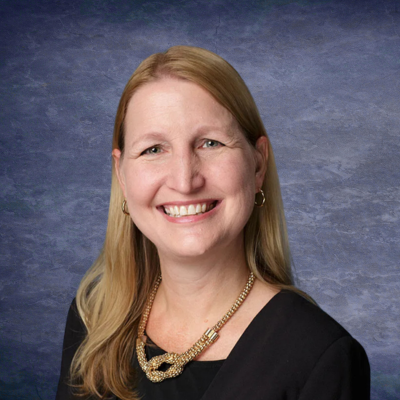
Theresa V. Strong, Ph.D. (Chair, Scientific Advisory Board) received a B.S. from Rutgers University and a Ph.D. in Medical Genetics from the University of Alabama at Birmingham (UAB).  She performed postdoctoral studies at the University of Michigan in the laboratory of Francis Collins, M.D., Ph.D., studying the molecular basis of the inherited diseases cystic fibrosis and Huntington disease.  After completing her postdocoral work, she returned to the faculty at UAB, where she is currently a Professor in the Department of Medicine.  She is also a Scientist in UAB’s Comprehensive Cancer Center, where her laboratory focuses primarily on gene therapy for cancer.  She and her husband Jim have four children, including a son with PWS.  Theresa is one of the founding members of FPWR and directs FPWR's Grant Program.
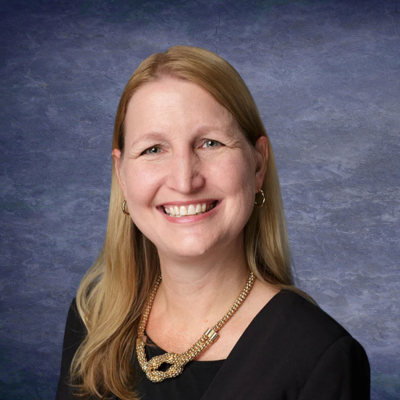
Mayim Bialik, PhD. Although Dr. Bialik is perhaps best known for her television acting roles (including the lead in TV series "Blossom"), she earned a BS and PhD in Neuroscience from the University of California Los Angeles.  Her thesis focused on neuroendocrine and pyschiatric aspects of Prader-Willi syndrome, examining hypothalamic secretions and obsessive compulisve symptoms in PWS adolescents.

Edmund F. Funai, M.D. received a B.S. from the University of Notre Dame and an M.D. degree from New York Medical College.  He completed his residency in Obstetrics and Gynecologty at Lenox Hosptial in Manhattan and his Fellowship in Maternal-Fetal Medicine at NYU School of Medicine.  He is was a Professor of Obstetrics, Gynecology and Reproductive Sciences at Yale School of Medicine, Co-Chief of Maternal Fetal Medicine and Chief of Obstetrics, before moving to his current position as Associate Dean at the College of Medicine, Ohio State University.

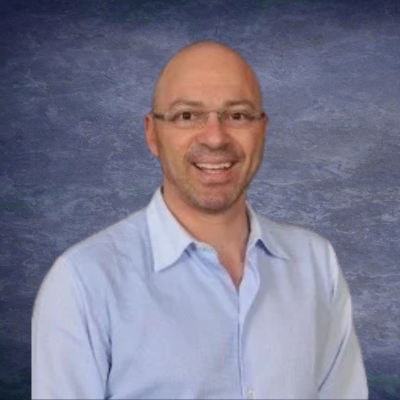
Jim Resnick, Ph.D. is an Associate Professor in the Department of Molecular Genetics and Microbiology at the University of Florida.  Dr. Resnick received a B.A. from Colgate University and a Ph.D. from the University of Pittsburgh, with postdoctoral training at Princeton University.  He has a long standing interest in understanding the molecular mechanisms that drive imprinting, and has developed and characterized novel mouse models to understand this process.

Lauren Schwartz, Ph.D. received a B.S. from the University of California, San Diego in Developmental Psychology and a Ph.D. in Clinical Psychology from the University of California, San Diego/San Diego State Joint Doctoral Program.  She did her clinical internship and research fellowship at the University of Washington, Departments of Psychiatry and Rehabilitation Medicine.  She has focused her studies and clinical work in the area of adjustment and recovery from disability.  She has a particular interest in the impact of disability on families and the interaction between family responses to disability and patient physical and psychological functioning.   She is currently on the faculty at the University of Washington School of Medicine in the Department of Rehabilitation Medicine where she does clinical work, teaching and research.   She and her husband Mark, have two children, including a daughter with PWS.  Lauren is one of the founding members of the FPWR and served as President of the FPWR Board of Directors from 2005-2009.

Susan Sell, Ph.D. received an AB degree in genetics from the University of California, Berkeley, studied muscle development at the Pasteur Institute in Paris, France, and received her PhD from the University of Utah. She received postdoctoral training at Stanford University and at the Phoenix Epidemiology and Clinical Research Branch of the NIH, where she further investigated insulin signaling in muscle. She held a faculty position at UAB and was a member of the UAB Nutrition Obesity Research Center. She is currently a Professor in the Department of Bioinformatics and Genomics and Senior Associate Dean of the Graduate School at the University of North Carolina, Charlotte.

Matthais Tschop, M.D. is a neuroendocrinologist and physiologist by training, who received his M.D. from Munich Medical School, Germany.  Following residency and fellowship at the Munich University Hospital, he worked as a postdoctoral fellow at the Eli Lilly Discovery Research Laboratories in Indianapolis.  He then became a Senior Scientist at the German Institute of Human Nutrition in Potsdam, Germany.  He is currenlty a Professor of Endocrinology in the Department of Internal Medicine, and Research Director of the Diabetes and Obesity Center at  at the University of Cincinnati College of Medicine.  His research focus is to use advanced models to examine how neuroendocrine circuits link afferent with efferent signals in the control of lipid, glucose and energy metabolism.

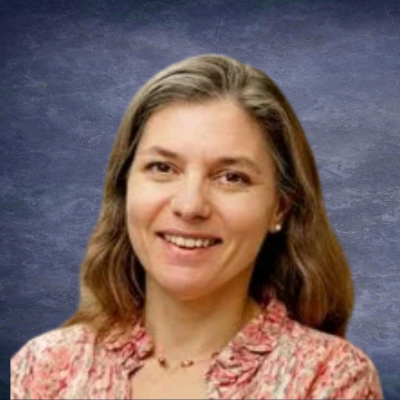
 Rachel Wevrick, Ph.D., Professor of Department of Medical Genetics, University of Alberta, received her BSc from Queen's University and her PhD from the University of Toronto.  She performed postdoctoral work at The Hospital for Sick Children in Toronto and at Stanford University.  Her research focuses on elucidating the normal function of specific genes in the PWS region (necdin, MAGEL2), and understanding how loss of these genes contributes to the PWS phenotype.  She uses mouse models to determine the role of these genes in nervous system development as well as muscle and endocrine function. 
 

Andrew Zinn, M.D., Ph.D. is a Professor in the Eugene McDermott Center for Human Growth and Development, Department of Internal Medicine at the Univeristy of Texas Southwestern Medical Center.  Dr. Zinn received a BA from the Univeristy of Texas at Austin, a PhD from UTSW Graduate School and an MD from UTSW Medical Center in Dallas.  Dr. Zinn's research interest is in genetic disorders of growth and reproduction, including Sim1 deficiency, which is another hyperphagia/obesity syndrome.